
When people were forced to leave Ruidoso, they carried more than belongings out of town.
They carried questions.
Was their house still standing? Had the fire reached their street? What about the animals they could not reach before the evacuation?
For people waiting elsewhere, a dependable answer could be difficult to obtain.
One of the people helping provide those answers was a local tattoo artist.
Logan “Fle” Fleharty, co-owner of Scorpion Tattoos, had grown up in Ruidoso. In June 2024, his connection to the mountain community became the foundation of an extraordinary effort to help its residents. New Mexico Magazine
A Town Forced to Leave
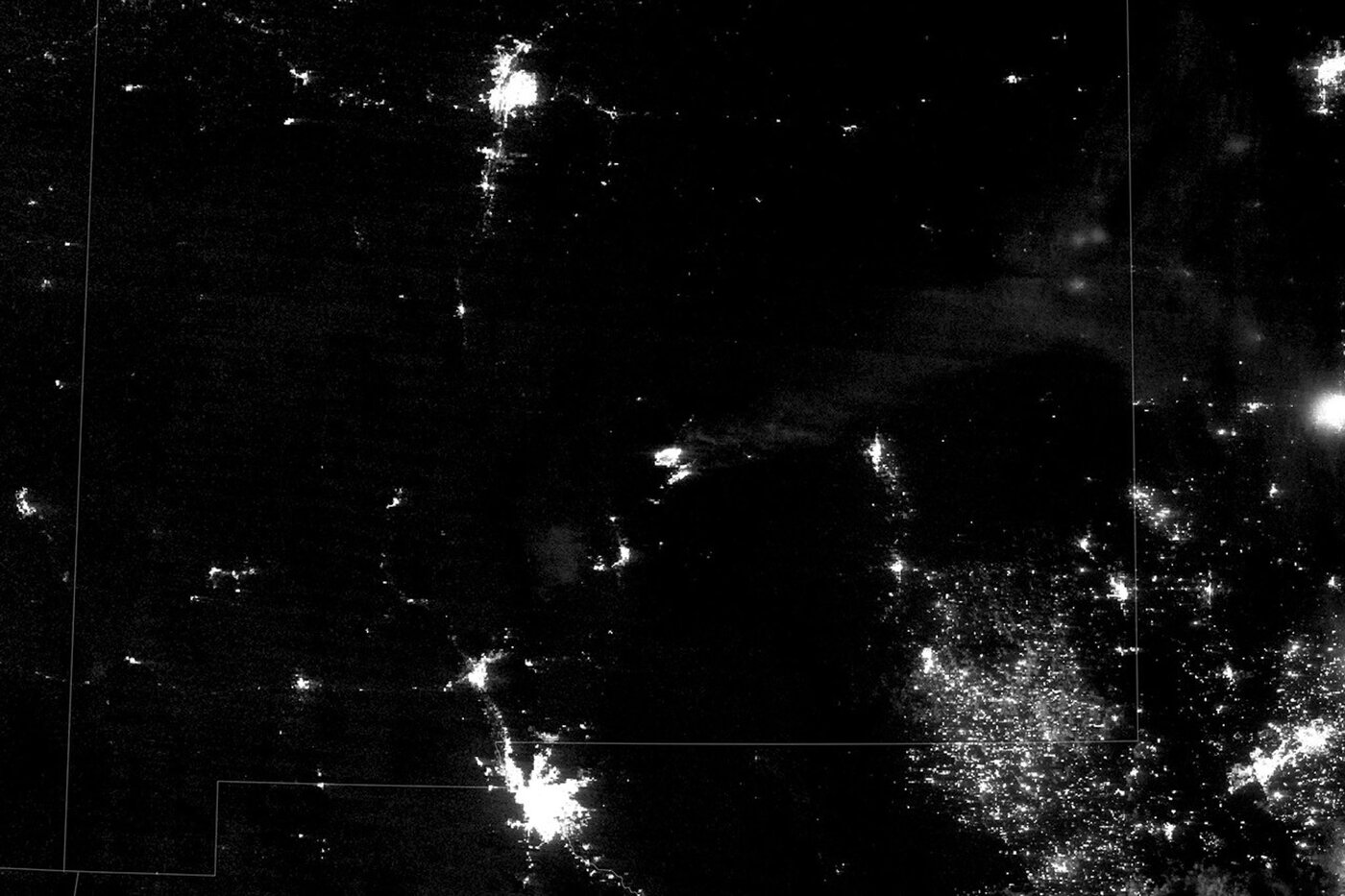
The South Fork and Salt fires brought destruction to the Ruidoso area in June 2024. Thousands evacuated, buildings burned, and two people died. By June 20, reporting described more than 1,400 buildings destroyed. Reuters
Fleharty was cleaning up after a tattoo expo at the Ruidoso Convention Center on June 17 when the developing emergency became apparent.
His first animal-care mission involved family. His sister was away in Truth or Consequences and could not return to her home. He checked on her three dogs.
That task revealed a much larger need.
Other evacuated residents had animals requiring food, water, and attention, too. New Mexico Magazine
The Requests Began Arriving
Fleharty began sharing videos showing conditions around town.
KOB reported that he posted information about homes that remained standing and others that had been lost. People who saw his updates began asking him to check properties and care for animals.
A request about chickens. A concern about a horse. Someone frightened for a cat.
The work grew through those individual requests. People also began offering financial help, which developed into a broader fundraising effort for the community. KOB
These were practical jobs, repeated from one property to another.
An animal needed feeding. A worried owner needed an update. Someone needed to know whether help had reached the place they could no longer access.
There was value in completing each task.
A Connection When Phones Went Quiet
Fleharty also had a useful resource: Starlink satellite internet.
In an interview published by SnowBrains, he described recognizing its importance after local cellular communications failed. His connection at his farm provided a place from which he could send information.
He shared updates online, and messages from displaced residents helped identify where assistance was needed.
Other local resources supported the effort. SnowBrains reported that he also used a connection at business owner Jasper Riddle’s property. SnowBrains
The useful capability extended beyond possessing an internet terminal.
Someone had to gather information, communicate it, receive requests, and act on them. Fleharty put those pieces together.
For a family outside town, a photograph or a firsthand update could answer a question that had occupied every waking hour.
Food, Water, and a Little Relief
His work extended to supporting the people responding to the disaster.
SnowBrains described Fleharty delivering food and drinks from Downshift Brewing, where owner Eddie Gutierrez and his staff were feeding responders and residents.
On another errand, Fleharty discovered a working ice machine at a car wash. That provided another small but welcome improvement: cold drinks for exhausted crews.
He also brought humor along, including a mannequin named Ken riding in his truck. SnowBrains
A cold drink does not extinguish a wildfire. A joke does not rebuild a house.
But the people doing difficult work still need food, water, rest, and moments of relief.
Supporting them is useful work in its own right.
The Emergency Did Not End With the Flames
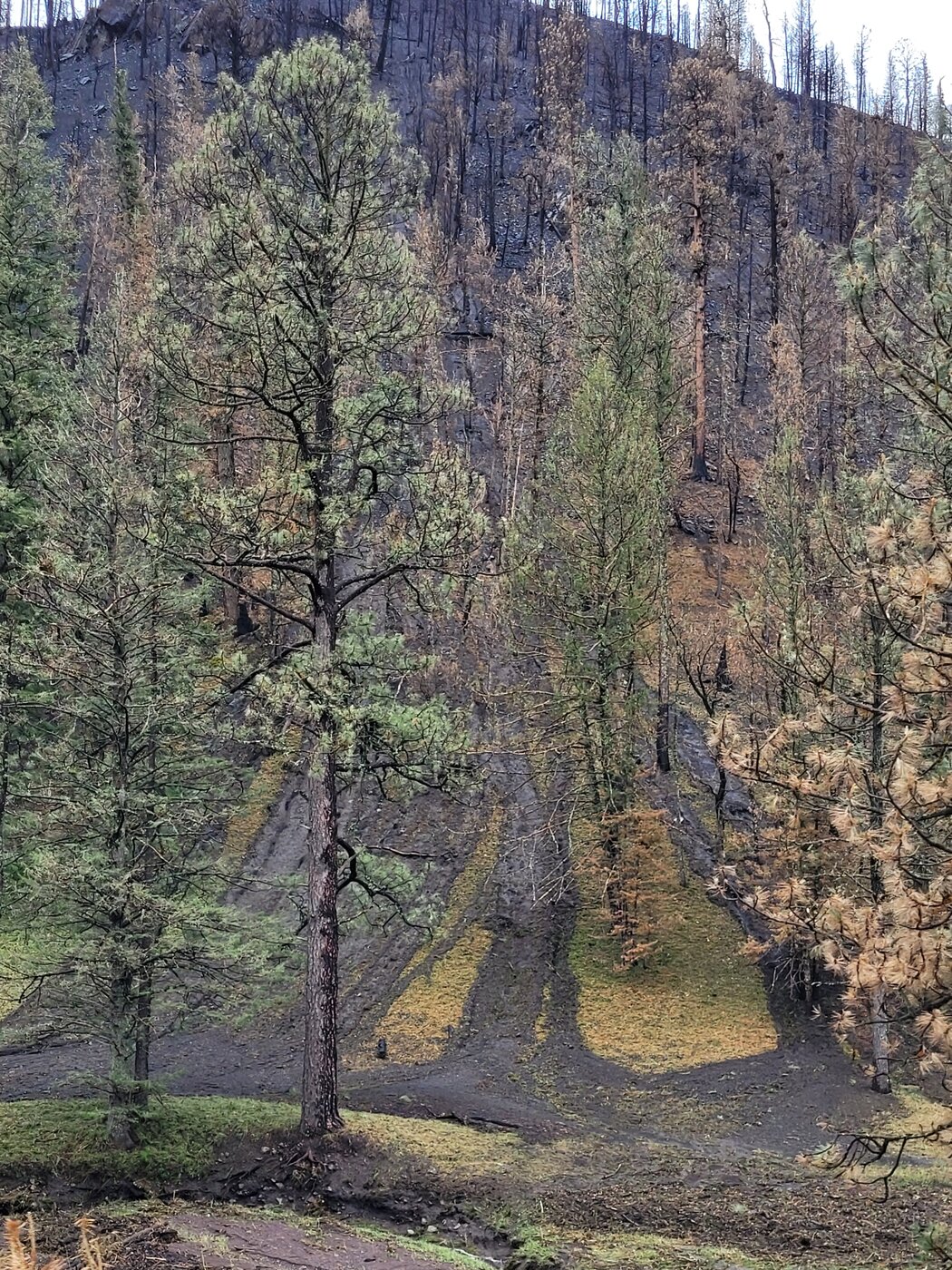
Ruidoso’s difficulties continued as rain brought flooding to the damaged landscape.
In its July 24, 2024 report, ABC News described a community facing repeated disasters. Fleharty was still feeding animals, delivering meals and water to responders, and helping raise relief funds more than a month after the fires began.
ABC reported that his fundraising had exceeded $150,000 by that point. The report also described his growing connections with volunteers and animal-response teams. ABC News
By December, New Mexico Magazine reported that his fundraising efforts had helped generate $200,000 for the Community Foundation of Lincoln County Shelter Fund. The magazine recognized him among its 2024 True Heroes. New Mexico Magazine
The changing totals reflect reports published at different stages of the effort.
What began with immediate needs had developed into sustained support.
Courage Does Not Remove the Danger
There is an important part of this account that should be stated plainly.
Fleharty remained behind during mandatory evacuations. KOB’s reporting acknowledged that others disagreed with his decision. His efforts helped people, but remaining in an evacuation area exposed him to serious danger. KOB
His story should encourage preparation and service without turning that decision into a model for readers to follow.
Follow evacuation instructions. Arrange animal transportation and backup care before a threat develops. Coordinate assistance through the responsible agencies and recognized response organizations.
Do not make entering a closed or dangerous area the foundation of your household’s animal-care plan.
The safer lesson is to establish useful arrangements while there is still time to use them.
What Can We Take From His Story?
Fleharty’s contribution drew on things many people might overlook when thinking about preparedness.
He knew his community. He could communicate. He could transport supplies. He could recognize a practical need and work to meet it.
Those capabilities became more valuable when ordinary systems were disrupted.
Consider what that means in your own neighborhood.
Who could care for your animals if you were away? Have they agreed? Could they find the supplies and safely handle the animals?
Who could help share reliable information? Who has useful equipment, transportation, or experience? Which arrangements would still work if everyone nearby faced the same interruption?
The goal is to identify useful abilities and make realistic agreements.
Some people will provide specialized response. Others can prepare meals, organize supplies, offer suitable lodging, or check on someone who needs assistance.
There is plenty of important work beyond the most dramatic moments.
A Neighbor Who Put His Abilities to Work
Asked about his motivation, Fleharty told KOB: “When you see a need, you fill a need.” KOB
That idea reaches well beyond a wildfire.
It applies when a neighbor cannot get to the store, when someone needs help making an evacuation arrangement, or when a family needs an extra pair of hands after a difficult week.
Preparedness gives us more options. Knowing our neighbors helps us understand where those options might be useful.
In Ruidoso, a tattoo artist became a source of information, supplies, animal care, and encouragement during a frightening time.
Useful resources. Practical effort. People looking after one another. That belongs at the heart of being Everyday Ready.
J. Carter
Everyday Ready highlights real stories of resourcefulness, resilience, and neighbors helping neighbors. This account concerns the 2024 Ruidoso fires and subsequent flooding and is based on published reporting, including interviews conducted by KOB, ABC News, SnowBrains, and New Mexico Magazine.