
10-STEP PLAN · YOUR HOUSEHOLD PLAN · View All 10 Steps ↗
- Introduction: It Doesn’t Take a Disaster
- Step 1: Start Where You Live
- Step 2: Who Depends on You?
- Step 3: What Do You Already Have?
- Step 4: What Needs Attention First?
- Step 5: Your First Household Plan
- Step 6: Build a Reserve You Actually Use
- Step 7: Give the Essentials Another Way to Work
- Step 8: Who Can You Count On—and Who Can Count On You?
- Step 9: Try the Plan Before You Need It
- Step 10: Keep It Ready
The introduction and all ten steps are available. Revisit your plan as needs change, and keep useful preparations ready.
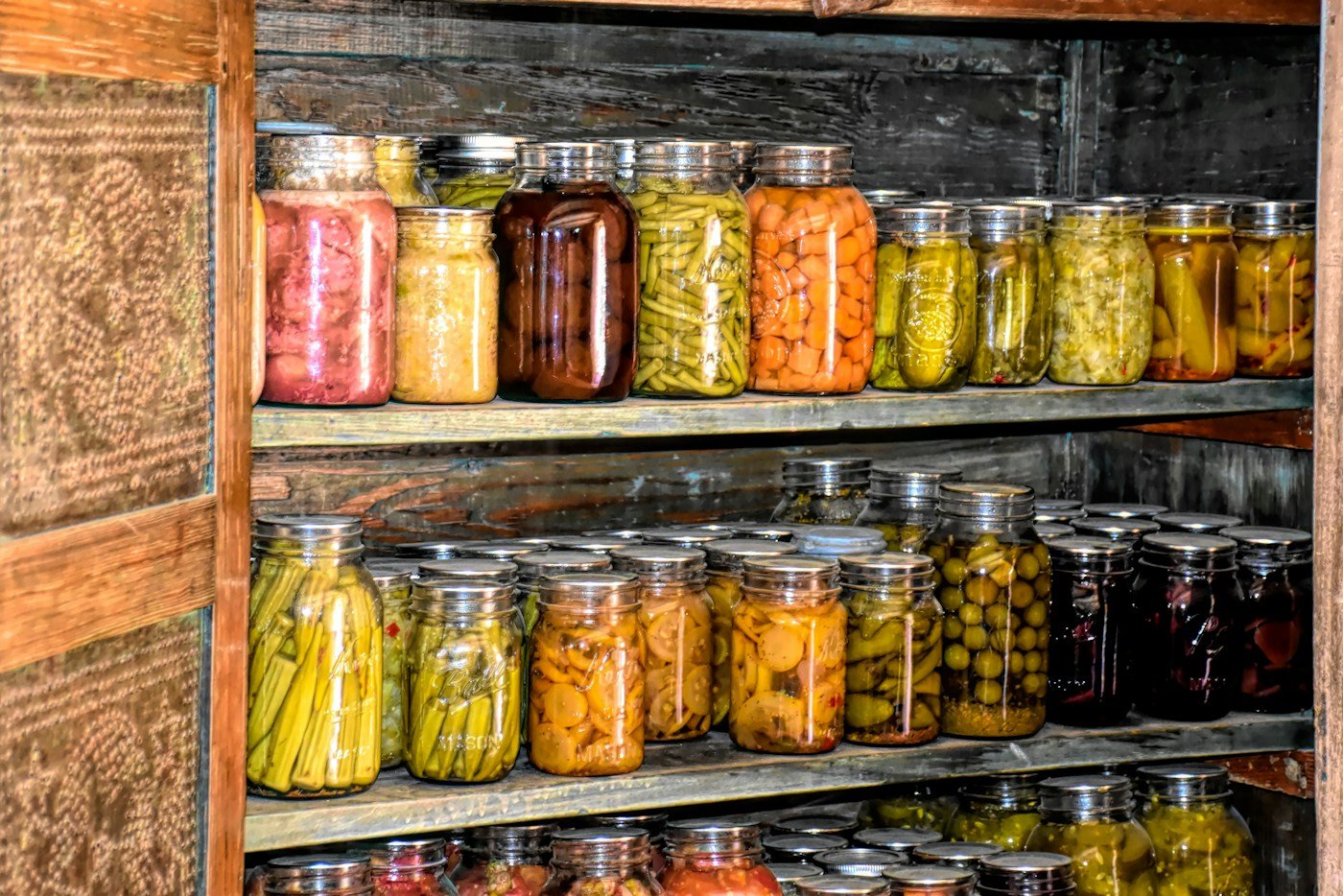
Before you head to the store, open a cupboard.
Then check the closet, garage, vehicle, and that drawer where flashlights, charging cables, and spare batteries somehow accumulate.
You may already own quite a bit that could help during an interruption. Some of it may be ready to use. Some may need fresh batteries, a missing part, or a little practice.
And some of your most useful resources will never fit in a storage bin: practical skills, experience, and people who have agreed to help.
In the previous steps, you considered where you live and who depends on you. Now use those needs to guide a simple inventory.
The goal is to discover what you can actually count on.
Start With the Needs You Identified
Keep your notes from Steps 1 and 2 nearby.
If your household depends on an electric well pump, look closely at water arrangements. If someone needs assistance leaving, examine transportation and agreed help. If children might come home unexpectedly, consider meals, supervision, and pickup arrangements.
An inventory should answer a practical question:
What do we already have that helps meet this need?
You do not need to count every possession. Begin with the things that keep your household safe, fed, reasonably comfortable, and connected.
Shop Your Own Cupboards
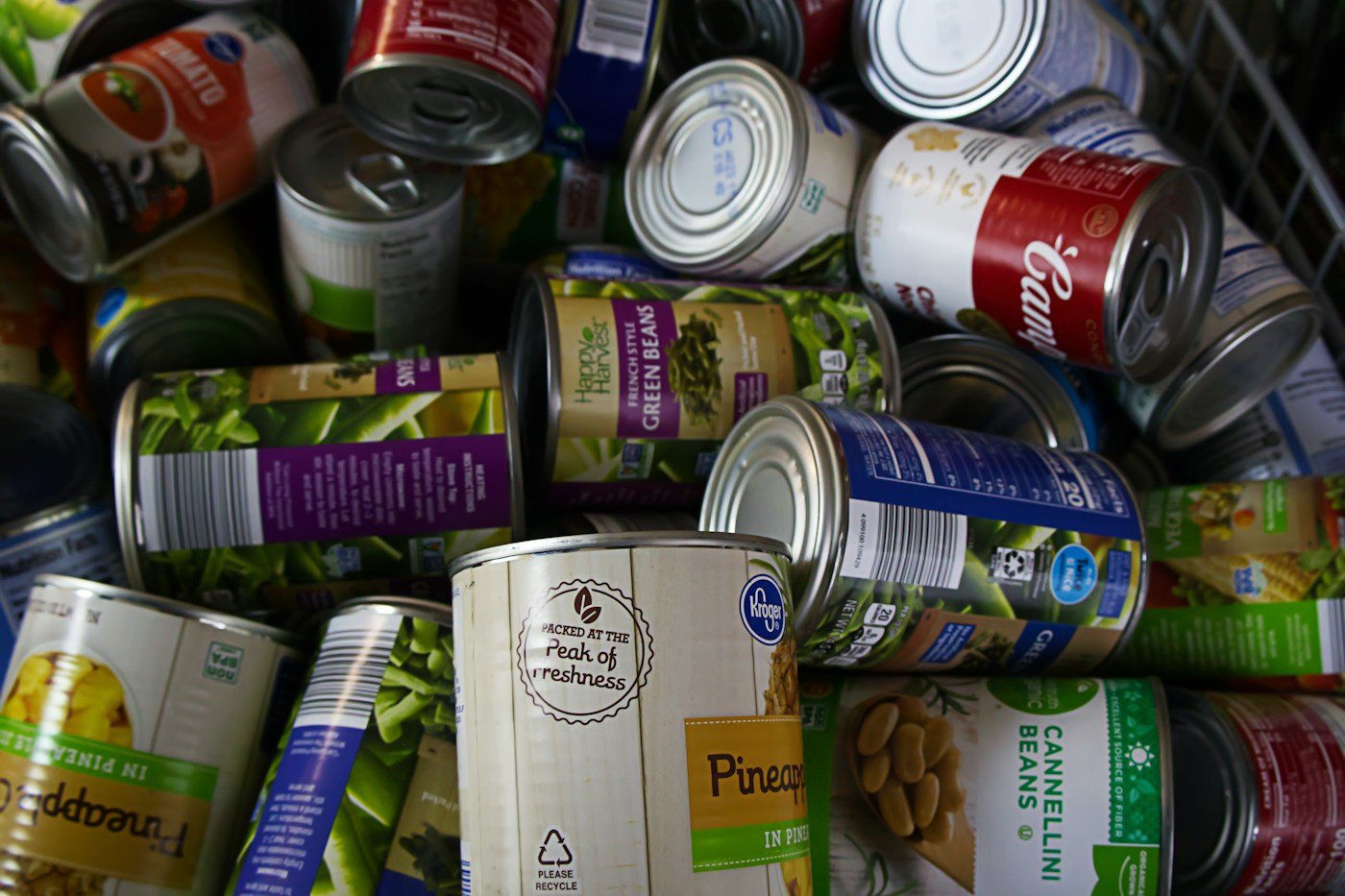
Look at the food your household already eats.
Could you put together several meals if you could not shop? Would those meals still work if your refrigerator, stove, or water supply became unavailable?
Include the small things that make food usable:
- A manual can opener.
- Suitable utensils and cookware.
- Familiar foods that require little preparation.
- Foods appropriate to dietary needs.
- A workable cooking arrangement, if the meals require cooking.
Separate what is on hand from what you hope to buy later.
Then look beyond food. Check drinking water, soap, toilet paper, cleaning supplies, personal-care items, and animal supplies.
Having six bottles of shampoo does not make up for having no soap where someone needs to wash their hands. Count useful coverage rather than impressive piles.
Look at Ordinary Equipment Differently

Preparedness equipment does not have to arrive in a package labeled “survival”, be black in color, and covered in velcro.
A headlamp used for walking the dog can provide useful lighting. Camping cookware may support an alternative meal arrangement. Warm bedding, work gloves, a broom, sturdy buckets, and a well-maintained vehicle all have practical roles.
If you already camp, you may own equipment for lighting, cooking, sleeping, water storage, and charging.
But owning it is only the beginning.
Does it suit the job you are considering? Can you use it safely in the available space? Does it require fuel, ventilation, a particular cable, or something else you have overlooked?
An outdoor cooking appliance remains an outdoor appliance when the kitchen loses power. Its presence in the garage does not establish a safe cooking plan.
Give each item a job, and check whether it can perform that job under the conditions you expect.
Count Complete Arrangements
A collection of parts is not necessarily a working backup.
A flashlight needs a functioning light source and suitable batteries. A rechargeable radio needs a compatible charging arrangement. A stove needs the correct fuel and an appropriate operating location.
Check the whole arrangement:
| Need | What to inspect |
|---|---|
| Lighting | Working lights, suitable batteries or charging, and locations everyone knows |
| Phone charging | Charged power bank, compatible cable, and a way to recharge it |
| Information | A working receiver or other planned source, suitable power, and instructions |
| Meals | Food, preparation tools, water if needed, and a suitable cooking method |
| Water | Suitable containers, usable contents, and a practical way to lift and dispense it |
| Sanitation | Handwashing supplies and the items required for your chosen backup arrangement |
| Leaving home | Transportation, essential belongings, an available destination, and agreed assistance |
Pay attention to items that serve several purposes. The same battery cannot necessarily support every planned load for as long as you hope.
The same vehicle cannot be in two places at once.
Use Three Honest Labels
For each important item or arrangement, choose one of these:
Ready
It is available, suitable for the intended job, and you have checked that it works. Someone knows where it is and how to use it.
Needs Attention
It could help, but something remains unresolved: missing fuel, an unknown battery condition, an expired contact number, a repair, or instructions nobody else understands.
Missing
You do not currently have a workable way to meet the need.
These labels are useful because they keep assumptions out of the plan.
A generator that has not been checked belongs under “Needs Attention.” So does a ride from someone you have not asked.
Finding those gaps now is progress.
Put Supplies Where People Can Find Them
Useful equipment can become surprisingly difficult to locate in the dark.
Choose sensible storage locations and tell the household where things belong. Keep necessary parts together when practical.
A charging cable stored with its power bank is easier to use than one somewhere in a box of assorted electronics. Written instructions kept with equipment are more useful than instructions buried in an email account.
Your everyday personal-care kit can count, too. If you use a Dopp kit daily, you already have a collection of familiar essentials that can travel. Check what would need adding if you left home unexpectedly.
Think about access as well as location. Can the person who needs an item reach it, lift it, open it, and use it?
Avoid making your entire plan depend on supplies stored in one place that could become inaccessible.
Inventory Skills Alongside Things
What can members of your household do confidently?
Perhaps someone can cook from pantry ingredients, sew a repair, operate a radio, organize important records, or troubleshoot equipment.
Someone else may be good at calming children, caring for animals, keeping track of supplies, or explaining instructions clearly.
Those abilities belong in the inventory.
Be honest about the difference between experience, training, and something you watched online. Some jobs require professional qualifications or equipment. Recognizing that limit is useful judgment.
For each important skill, ask:
- Who can do it?
- When did they last practice?
- Can someone else learn the basic task?
- What tools or instructions do they need?
- When should we call a professional?
You may discover that the next improvement is a practice session rather than a purchase.
Include People Without Assuming Their Help
Your inventory can include agreed connections: a willing driver, an experienced animal caretaker, a nearby relative, or a contractor you have discussed access needs with.
Record what each person has actually agreed to do.
A neighbor owning a tractor does not automatically make that tractor part of your road-clearing plan. A friend with a spare bedroom has not offered emergency lodging until you discuss it.
Consider availability, too. The same storm may affect their household. Their equipment may be committed elsewhere.
Count confirmed arrangements, and identify the ones you still need to discuss.
Check Your Vehicle
A household inventory should extend to the transportation you rely on.
Do you know where the spare tire and necessary tools are? Is the spare usable? Does a tire-repair or inflation kit suit your vehicle, and do you understand its limitations?
Check the ordinary items you would want during an unexpected delay: suitable clothing, water, a light, charging equipment, and important contact information.
Include equipment specific to the people traveling, such as mobility aids or child restraints.
The point is to identify what is available and serviceable. Later, you can decide which gaps deserve attention first.
Do a Short Function Check
Choose a few low-risk checks:
- Turn on the flashlight.
- Charge the power bank and connect the phone you intend to use.
- Find a useful station on the radio.
- Locate the manual can opener.
- Have another person find the written contacts.
- Check that the animal carrier is accessible and suitable.
Follow manufacturer instructions for equipment. Do not test by interrupting essential medical support, creating unsafe conditions, or attempting unfamiliar repairs.
Record the result while it is fresh. “It probably works” should become either “Checked” or “Needs Attention.”
Your Assignment: Make a Usable Inventory
Start with one page. Expand it only where detail helps.
| Household need | What we already have | Status | What needs attention? | Who knows how to use it? |
|---|---|---|---|---|
| Lighting | Two headlamps and a flashlight | Needs Attention | Check batteries; choose storage locations | Household members |
| Phone charging | USB power bank and cable | Needs Attention | Charge and test with our phones | One person; teach another |
| Meals | Familiar pantry food and manual can opener | Ready for selected meals | Write down meal combinations | Two household members |
| Water | Storage containers | Needs Attention | Check condition, contents, and handling | Confirm |
| Transportation | Household vehicle | Needs Attention | Check spare and locate tools | Driver |
| Animal care | Food, carriers, and written routine | Needs Attention | Confirm backup caretaker | Owner |
These are examples, not an assessment of your household.
You may have fewer items and more complete arrangements. You may own plenty of equipment but find that much of it needs attention.
Either result gives you useful information.
Before moving on, aim to have:
- A short list of useful supplies and equipment.
- An honest assessment of their condition.
- Important skills and confirmed help recorded.
- Missing parts, repairs, and unanswered questions identified.
Do not rush to fill every gap yet.
In Step 4, we will sort the list: what needs attention first, what can wait, and what fits your budget.
Before buying more, find out what you already have—and make the useful things usable.
J. Carter
Next — Step 4: What Needs Attention First? Choose the improvements that matter most.